







Search Results for: crema thickness
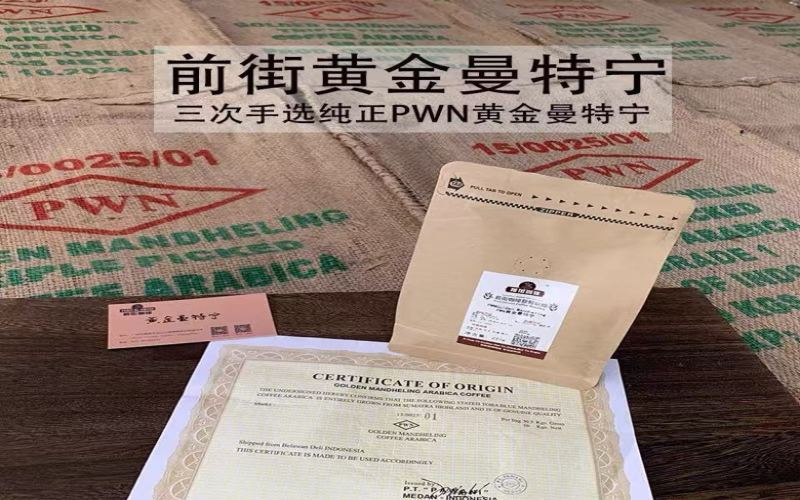
Region Selection for Rich Crema Beans: Crema Performance of Mandheling, Brazil, and Blue Mountain
The crema performance of espresso differs noticeably across growing regions. Mandheling, Brazil, and Blue Mountain are three representative origins, each with its own crema characteristics, suited to drinkers with different taste preferences. Mandheling is the choice for crema thickness. The Mandheling region uses wet-hulling processing, during which more pectin layer remains on the surface of the beans, add [more…]
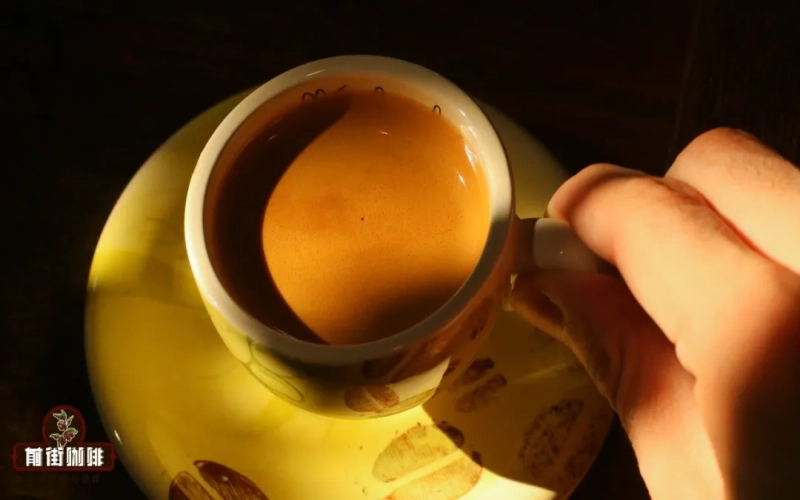
The Real Relationship Between Espresso Crema Thickness and Body, a Professional Interpretation of Mouthfeel Differences
Many coffee enthusiasts observe a thick layer of golden-brown crema floating on the surface when extracting espresso, yet it tastes unexpectedly thin, with little body. So, does the thickness of the crema directly determine the richness of an espresso? This article will start from the formation principles of crema, analyze its actual relationship with body, and reveal the differences in mouthfeel through comparative experiments. At the same time, we will also introduce a Front Street classic blend that produces rich crema, helping you better understand and choose. [more…]
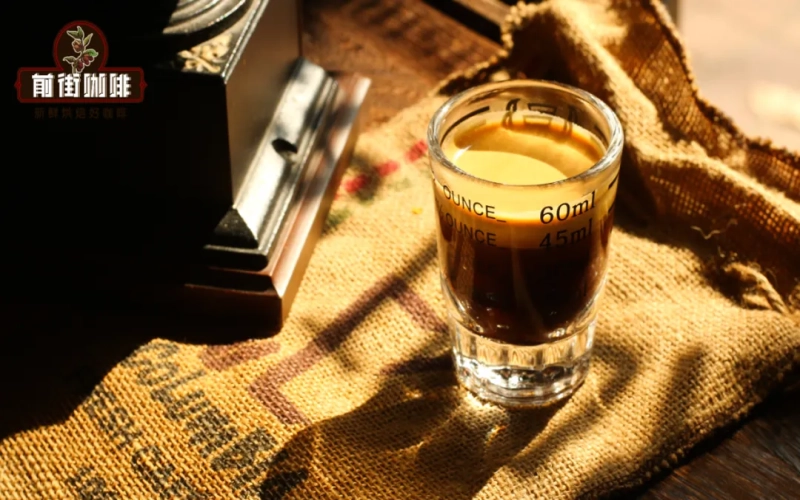
What determines the thickness of espresso crema? The essence of crema and the key factors for extracting rich crema
Many coffee enthusiasts pay extra attention to the richness of the crema when extracting espresso—some for the sake of latte art, others influenced by merchant marketing. But is thicker crema really better? In fact, crema is just a layer of foam propped up by carbon dioxide, and it doesn't directly determine coffee flavor. The core factor that truly affects crema thickness is the carbon dioxide content in the coffee beans. This article, from Front Street's perspective, will analyze the essence of crema, the relationship between crema and taste, and how to achieve ideal, rich crema through bean selection and extraction. [more…]
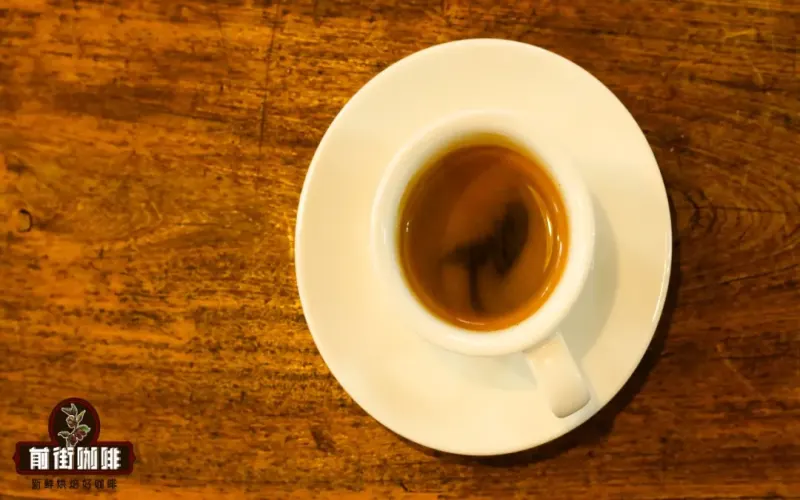
Espresso Crema Extraction Techniques | Is Coffee Crema Actually Oil? How to Make Espresso Black Coffee with Crema Using an Espresso Machine or Moka Pot?
A while back, when Front Street Coffee was tinkering with a moka pot in the shop, a friend saw that the moka pot coffee Front Street brewed had a very thick layer of crema, so they asked Front Street for the secret to brewing such thick crema, because the moka pot coffee they brewed at home had very thin crema. The same situation often occurs with espresso machine users as well. [more…]
The Secrets Behind Espresso Crema Thickness: Judging Coffee Bean Freshness and Extraction Timing from Crema Condition
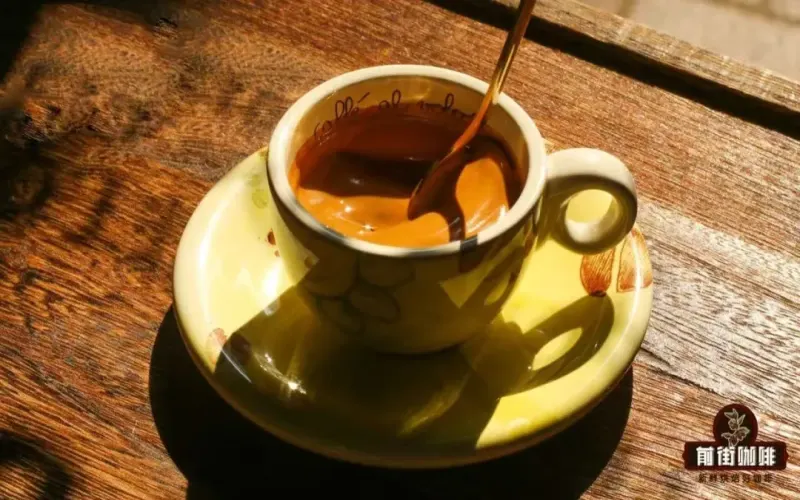
The layer of golden-brown crema on the surface of an espresso is not just a visual pleasure—it actually carries important clues about the state of the coffee beans. Many friends who own espresso machines will notice that the crema extracted each time is sometimes thick and rough, and sometimes fine and thin. These differences are not accidental, but an external manifestation of changes in the carbon dioxide content inside the coffee beans. From the perspective of Front Street, this article guides everyone to understand the essential composition of crema, and to learn to judge whether the coffee beans are in their optimal flavor period by observing the thickness, fineness, and stability of the crema, so as to adjust the extraction plan in time and let every cup of espresso perform at its proper level. [more…]

Whether the crema is thick or not also depends on freshness: this is how to manage the resting period for espresso beans
Many people focus on roast level and bean variety when choosing coffee, yet overlook the true fuel for crema: carbon dioxide. All the bubbles in crema come from gases accumulated inside the beans during roasting. After the beans leave the roaster, they continue degassing every day, and the remaining gas determines the thickness of the crema. In other words, even the best dark-roasted beans [more…]
The Crema Layer of Espresso: Causes, Quality Assessment, and Coffee Bean Selection Guide
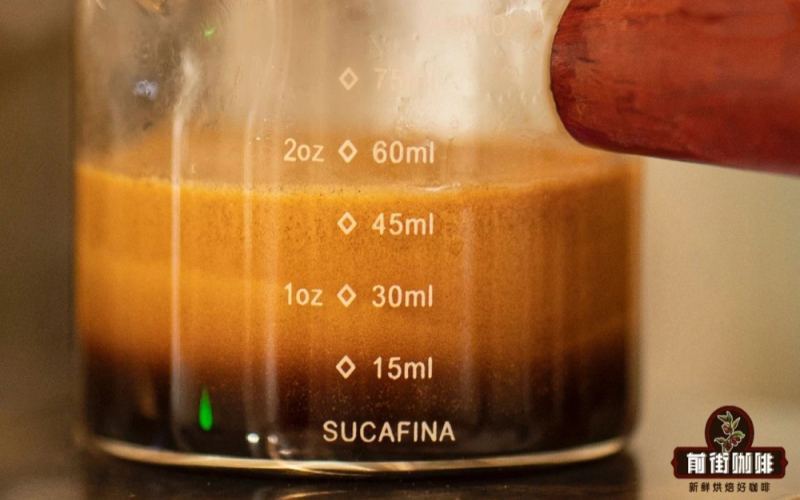
Crema is the signature characteristic of espresso. This layer of golden oil is composed of insoluble fats wrapping carbon dioxide, and can only be formed through the high-pressure extraction of an espresso machine. The richness of the crema is closely related to the coffee bean blend; Italians often add a small amount of Robusta to enhance the crema, but Robusta does not match Arabica in flavor. Both Front Street Classic Blend and Front Street Commercial Blend contain a small amount of Robusta—the former is suitable for home beginners, while the latter is suitable for commercial use in shops. However, more crema is not necessarily better. If the color is too light or too dark, the thickness too thin or too thick, or the crema clumps and appears rough, all of these can affect quality and latte art results. Beans that are too fresh can instead lead to unstable crema. [more…]
A Complete Guide to Smiley Face Flat White Latte Art: How Milk Foam Thickness and Crema Strength Affect the Design
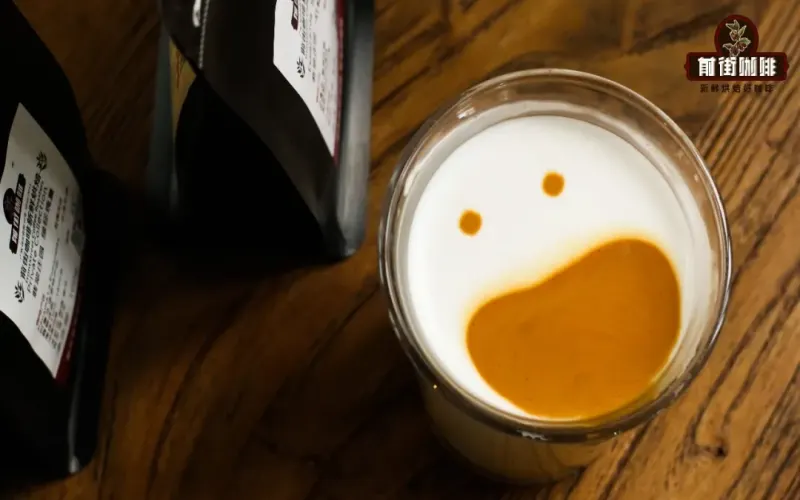
The smiley face pattern on a flat white may look like it just needs a pour of espresso and a couple of quick strokes, but it is actually far harder to execute than it seems. This article starts from three key details—milk foam thickness, espresso crema strength, and cup size selection—to explain why only a flat white is suited to this pattern, and shares how to improve your success rate by controlling the thinness of the milk foam, choosing dark-roasted beans rich in crema, and matching the cup size to the liquid volume. The article also introduces how Front Street Coffee's classic blend combines Mandheling, Brazilian, and Vietnamese beans to produce rich crema and a full-bodied flavor, helping coffee lovers make an attractive smiley-face flat white at home. [more…]
Espresso Crema | What Factors Affect Crema Thickness? Recommended Specialty Coffee Beans for Rich Crema in Espresso Extraction
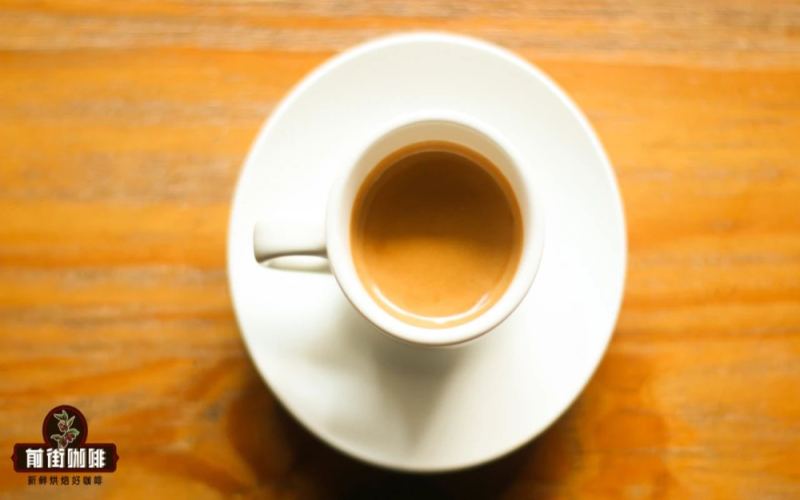
Some friends often ask us for advice on espresso extraction issues. Many of them have encountered situations where the espresso shot lacks golden crema or the crema is thin. Since for espresso, that golden crema is its very soul, when the coffee has no crema [more…]
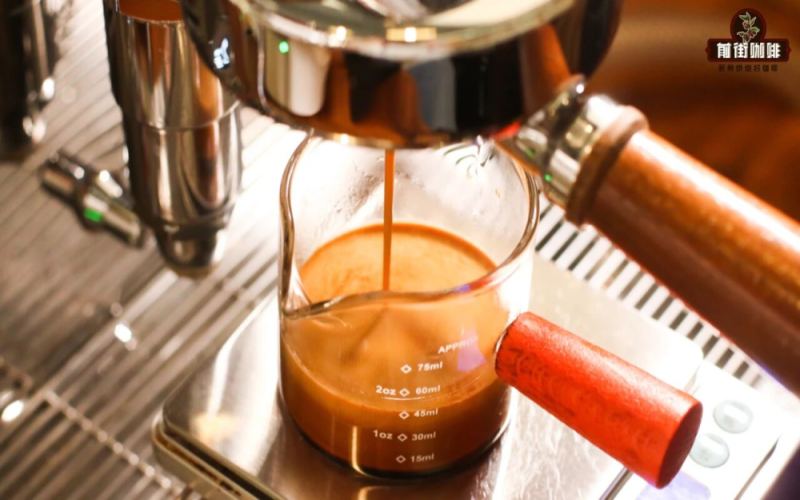
Summary of Reasons for Espresso Crema Extraction Failure: Key Judgments Based on Color Depth and Crema Thickness
The golden-yellow oil on the surface of espresso, known as crema, is regarded by many coffee lovers as the soul symbol of a good shot. Under normal conditions, the liquid should be covered by a golden-yellow crema layer about one-third thick, with a creamy texture when swirled and a clear cling to the cup wall. However, many people encounter thin or even completely missing crema in practice, which may involve multiple variables such as coffee bean variety, roast level, freshness, grind size, water temperature, and coffee machine pressure. Front Street Coffee has systematically sorted out these common issues, analyzing everything from bean selection to equipment parameters one by one, to help everyone quickly pinpoint the problem in the extraction process and bring back that alluring golden-yellow crema. [more…]
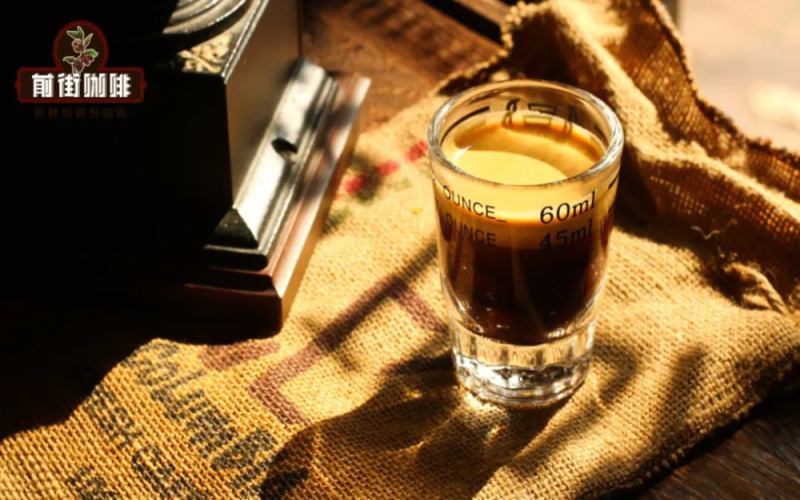
Key Factors That Determine the Thickness of Espresso Crema: From Coffee Bean CO2 Content to Robusta Blending
In the espresso extraction process, the richness of the crema is often one of the key concerns for coffee enthusiasts. Some need it for latte art, while others are influenced by commercial promotion and often ask Front Street how to obtain a richer Crema. But what exactly is the essence of crema? Is more really better? This article will start from Front Street's perspective and provide a detailed analysis of the three core factors affecting espresso crema formation—the carbon dioxide content of coffee beans, the degree of roasting and freshness, and the special role of Robusta beans. It will also remind everyone that the thickness of the crema does not directly determine whether the taste is good or bad; the correct extraction parameters are the foundation. Whether you are pursuing latte art effects or simply want to understand the principles, this article can give you clear answers. [more…]
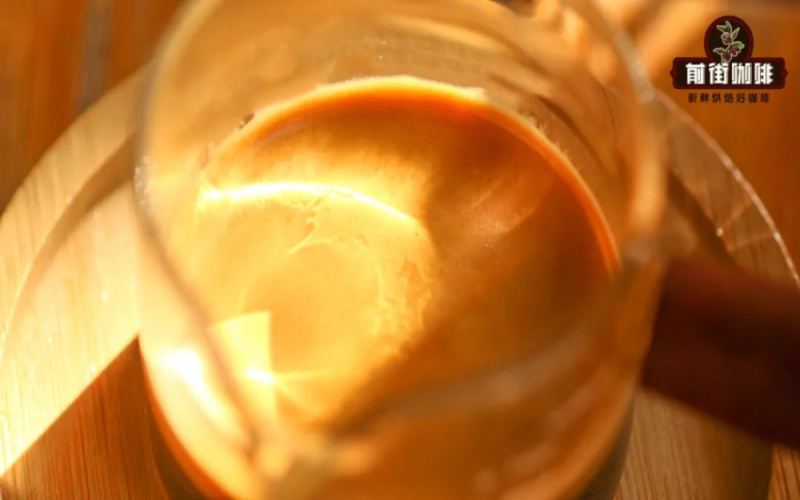
The Golden Foam of Espresso: Should It Be Called Crema or "Oil"? Can Thickness Determine Coffee Quality?
That golden foam on the surface of espresso—is it actually Crema or "oil"? There's an interesting misunderstanding behind this name. Many people believe that the thicker the oil, the better the coffee tastes, but is that really true? This article starts with the origin of the name, walks you through the original meaning of Crema, and analyzes one by one the key factors that affect the thickness of the oil—roast level, bean freshness, and coffee variety. Front Street Coffee will use plain language to help you clarify the relationship between oil and espresso flavor, so you'll no longer be misled by the saying "thick oil = good coffee," and truly understand the role this layer of foam plays in coffee. [more…]
Is the Crema on Espresso Really Oil? Unpacking Three Common Misconceptions About Espresso Crema
Many coffee enthusiasts hold deep-rooted misconceptions about the golden foam on the surface of espresso, with some even jokingly calling it a "scam." Some believe it is genuine oil, others think that the thicker the foam, the better the bean quality, and still others firmly believe that the thicker the crema, the easier it is to make latte art. Is this really true? This article will start from Front Street Coffee's perspective, dissecting these widely circulated claims one by one and explaining the true nature of Crema—it is actually bubbles formed by carbon dioxide under high pressure, with no direct connection to coffee bean quality. It will also explain the complex relationship between crema thickness and the difficulty of making latte art. [more…]
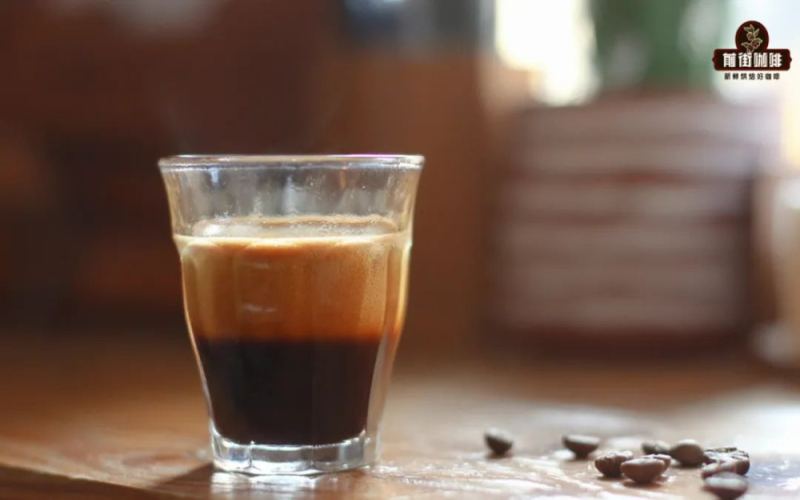
Where Does the Crema on Espresso Come From? A Detailed Explanation of Its Composition and Tips for Extracting a Rich Crema
The golden-yellow oil layer on the surface of espresso, known as Crema, is an important reference for many coffee enthusiasts when judging the quality of an espresso. But what substances actually make up this "oil" layer? Why is some espresso crema thick and long-lasting, while other crema is thin and dissipates easily? This article will start from the compositional nature of crema, trace the evolution of espresso machines, and analyze one by one the effects of coffee bean variety, origin, roast level, freshness, as well as extraction pressure and coffee-to-water ratio on crema performance. At the same time, combined with Front Street Coffee's espresso blend recommendations, it provides practical advice for achieving thick crema in both home and cafe settings, helping you understand and master the extraction logic of espresso more systematically. [more…]

How can you tell if coffee beans are fresh? Practical observation methods from bloom puffing, crema thickness to flow rate and aroma
Whether coffee beans are fresh can actually be judged by many clues during the brewing process. Roasted coffee beans accumulate carbon dioxide, which gradually escapes over time, and the amount of carbon dioxide directly affects the blooming puff, the thickness of espresso crema, the water retention of the coffee bed and the flow rate, and also leaves traces in the aroma performance. From the perspective of Front Street, this article sorts out three practical methods for judging the freshness of coffee beans, explains the influence of factors such as roast level and variety on crema, and recommends Front Street Classic Blend, an espresso bean with rich crema and a fragrant flavor, to help you judge and choose more reliably. [more…]

Where Does Espresso Crema Come From? Key Factors Affecting Crema Thickness and Espresso Bean Recommendations
The golden to chocolate-colored layer of foam on the surface of espresso is what is commonly called crema. It is not only a visual hallmark, but also affects the flavor and mouthfeel of the coffee. Crema is essentially a fine bubble mixture formed when water extracts coffee grounds under high temperature and high pressure, emulsifying natural fats and oils and trapping air and carbon dioxide. Its amount is closely related to coffee variety, roast date, roast level, and extraction equipment: Robusta produces a thick crema, while Arabica tends toward fruity acidity and a moderate mouthfeel; freshly roasted coffee can enhance emulsification, but coffee that is too fresh or too old will throw the crema out of balance; dark roasts produce a thicker, more viscous crema, while roasting too dark backfires. In this article, Front Street will break down these variables one by one and recommend several espresso beans suitable for those pursuing a rich crema. [more…]
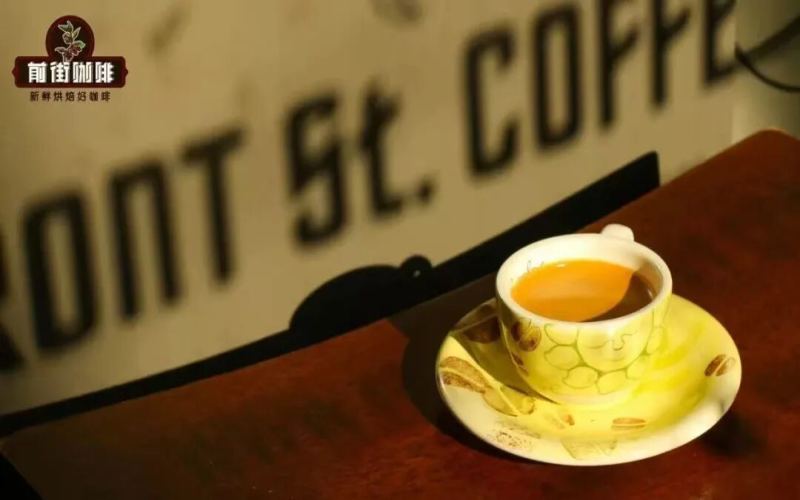
Espresso Crema | What Is Crema in Espresso? What Coffee Information Can the Crema on an Espresso Reveal?
As is well known, the coffee extracted from an espresso machine is not only very rich and intense, but also comes with a layer of golden crema. Because this layer of crema gives the coffee a rich aroma and a smooth, dense mouthfeel, and is also a product unique to espresso, people often call it the soul of espresso. But... [more…]

Espresso Extraction Techniques | Why Does Homemade Espresso Have No Crema? Recommendations for High-Quality Espresso Beans with Thick Crema Just Like Coffee Shops
Espresso has always been one of the most popular coffee extraction methods, and it is also the first stop for most coffee beginners—perhaps because a cup of sweet, silky milk coffee is simply irresistible, or because the unique richness and refreshing quality of an Americano is addictive from the first sip, or because coffee specialty drinks are so stunning [more…]
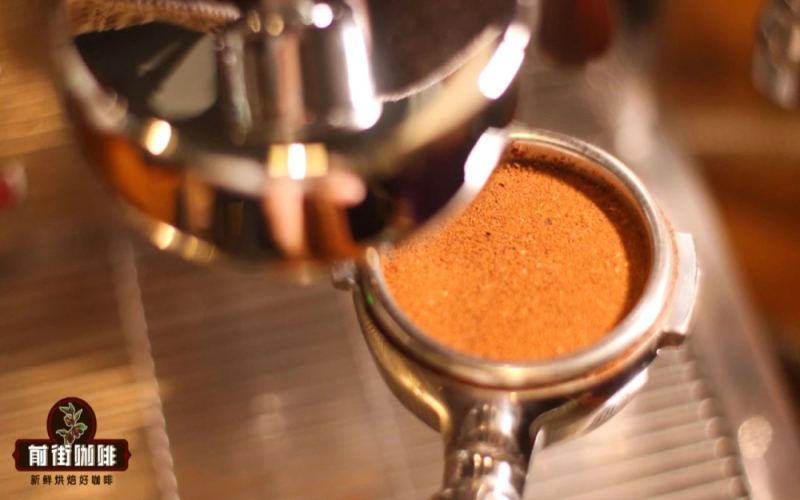
How to Choose Espresso Beans? A Full Guide to Blends vs. SOE, Flavor, and Crema Extraction
To make a golden-crema, richly aromatic espresso at home, choosing the right coffee beans is the first step. Starting from freshness and the resting period, this article analyzes the differences between Arabica and Robusta in crema performance, and introduces the flavor characteristics of several Front Street Coffee espresso blends and SOE single-origin beans. It then discusses extraction pressure and the coffee-to-liquid ratio, explaining how to achieve a stable, thick crema, helping coffee lovers find a balance between equipment and parameters to make a full-bodied, layered espresso. [more…]

A Practical Guide to Latte Art on Espresso: How Crema Condition Affects Pouring and How to Adapt
To consistently create beautiful latte art, technique alone is not enough—the condition of the espresso crema is equally crucial. The freshness of the coffee beans directly affects the thickness and fineness of the crema: beans that are too fresh produce rough, clumpy crema, while beans left too long yield crema that is too thin, both of which make latte art much harder to pour. Starting from the condition of the crema, this article shares three practical adjustment techniques: scooping out some of the crema, thinning the milk foam, and pre-infusion, to help you pour patterns smoothly even when the coffee is not in ideal condition. It also introduces Front Street Coffee's Classic Espresso Blend, a bean specially formulated for espresso that produces rich crema and intense flavor, suitable for making latte art at home or in cafés. [more…]